


-
-
-
 г.п. Мир, ул. Красноармейская, 2
-
Касса музея работает:
 Понедельник-воскресенье с 10:00 до 18:20
Санитарные комнаты, расположенные в музее, открыты с 10:00 до 18:20Санитарные комнаты, расположенные на территории комплекса, открыты: Пн-Чт с 10:00 до 19:00 Пт-Вс с 9:30 до 19:30
Понедельник-воскресенье с 10:00 до 18:20
Санитарные комнаты, расположенные в музее, открыты с 10:00 до 18:20Санитарные комнаты, расположенные на территории комплекса, открыты: Пн-Чт с 10:00 до 19:00 Пт-Вс с 9:30 до 19:30 -
 +375 (1596) 36-2-70 Музей
+375 (1596) 36-2-92 Отель
+375 (1596) 36-2-70 Музей
+375 (1596) 36-2-92 Отель
-
 Версия для слабовидящих
-
Касса музея работает:
Понедельник-воскресенье с 10:00 до 18:20
Санитарные комнаты, расположенные в музее, открыты с 10:00 до 18:20Санитарные комнаты, расположенные на территории комплекса, открыты: Пн-Чт с 10:00 до 19:00 Пт-Вс с 9:30 до 19:30
-
+375 (1596) 36-2-70 Музей
+375 (1596) 36-2-92 Отель
-
 Версия для слабовидящих
- Купить билет


 МЕНЮ
МЕНЮ
МУЗЕЙ
ПОСЕТИТЕЛЯМ
О КОМПЛЕКСЕ
●Элементы территории II часть
-
Телефоны для справок
ЭЛЕМЕНТЫ ТЕРРИТОРИИ ОБЪЕКТА ВСЕМИРНОГО НАСЛЕДИЯ / 2
Замковый комплекс «Мир» представляет собой участок территории, расположенный в месте впадения безымянного ручья в реку Миранка со спокойным рельефом. В пределах территории комплекса находится пруд, образованный на русле безымянного ручья, участок пейзажного парка в восточной части и остатки регулярного парка с севера.
В рамках территории объекта всемирного наследия находятся:
- здания и сооружения, возникшие до начала работ по реставрации и проектирования замкового комплекса «Мир»
- каменный замок;
- остатки земляных оборонительных валов (с запада, севера и востока от замка);
- остатки фундаментов дворца князей Святополк-Мирских;
- флигель дворца князей Святополк-Мирских;
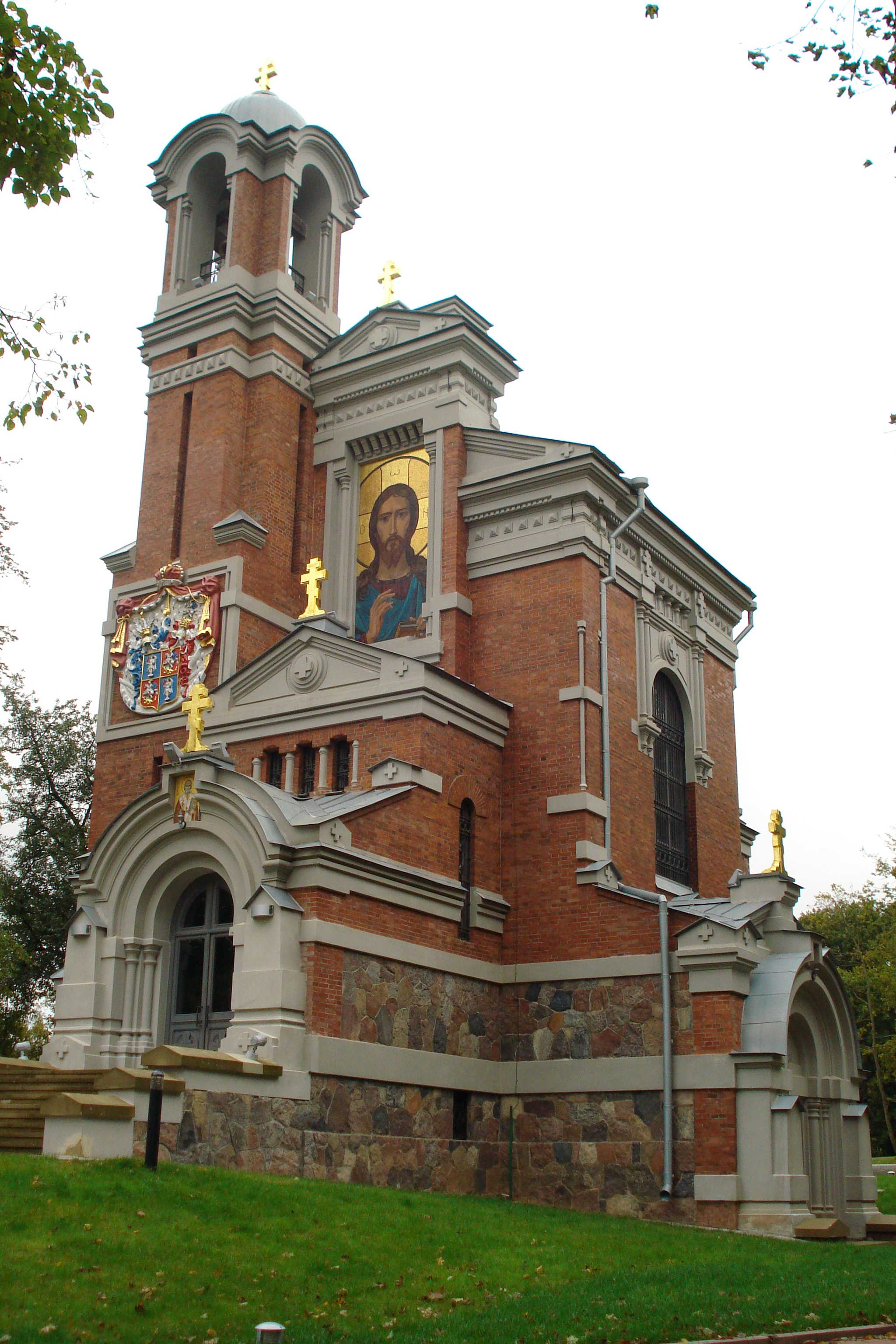
- церковь-усыпальница князей Святополк-Мирских;
- домик сторожа с воротами;
- придорожная часовня;
- пейзажный парк;
- остатки регулярного парка;
- искусственное озеро с островом.
Основными постройками комплекса являются:
Замок, представляющий собой слегка перекошенный в плане четырёхугольник оборонительных стен, образующих внутренний дворик, с выдвинутыми за их периметр четырьмя пятиярусными угловыми и одной шестиярусной въездной (примыкает к западной стене с наружной стороны) оборонительными башнями шатровыми покрытиями. Нижние ярусы башен в плане четырёхугольные, верхние – восьмигранные. К северной и восточной стенам по всей их длине со стороны внутреннего двора пристроен трёхэтажный с подвалами дворец. Перекрытия подвалов, а также нижних ярусов дворца и башен сводчатые.
Приёмы декоративного оформления фасадов основаны на использовании сочетания лицевой кирпичной кладки, фрагментарно украшенной узорами, выложенными пережжённым кирпичом, с заглублёнными штукатурными тонированными поверхностями ниш. На северо-восточной башне заглублённые поверхности ниш расписаны полихромными орнаментальными композициями. В XVI веке при оформлении фасадов дворца и примыкающих к нему башен были использованы резные каменные обрамления проёмов. Материалы стен и сводов – кирпич, в сочетании с булыжным камнем, кровли – черепица (использовалась обычная и глазурованная). Профилированные обрамления выполнены из песчаника.
Максимальные размеры сооружения в плане 78×72 м, двора 42×42 м, высота (от поверхности земли до карниза) башен от 22 до 26 м, дворца – около 17 м, оборонительных стен 11–12 м. Строительный объём (после реставрации) 59 000 м3.
С западной, северной и восточной сторон замка сохранились остатки земляных оборонительных валов.
В настоящее время в Мирском замке работает тридцать девять постоянных и временных музейных экспозиций.
Церковь-усыпальница князей Святополк–Мирских находится к востоку от замка на территории пейзажного парка. Представляет собой однонефную кирпичную церковь с криптой и колокольней, ассиметрично пристроенной к главному фасаду. На главном фасаде расположено мозаичное панно с изображением Христа, выполненное из разноцветной (в т.ч. и золочёной) смальты. Покрыта оцинкованным металлом. Окна обрешечены кованными металлическими решётками.
Приёмы декоративного оформления фасадов основаны на сочетании лицевой красной поверхности кирпичной кладки со штукатурными выступающими элементами богатого декора (без тонировок). Два яруса церкви-усыпальницы открыты для посетителей.
Домик сторожа сблокированный с воротами находится в непосредственной близости от церкви-усыпальницы к северу от неё. Одноэтажное без подвала кирпичное строение с двускатной кровлей. Приёмы декоративного оформления фасадов аналогичны оформлению фасадов церкви-усыпальницы.
В настоящее время в домике сторожа размещается газовая котельная для музейного комплекса.

